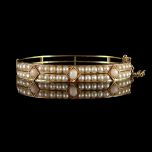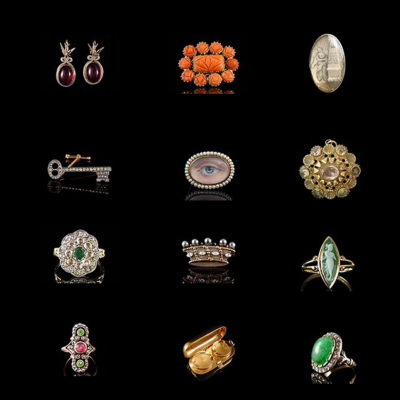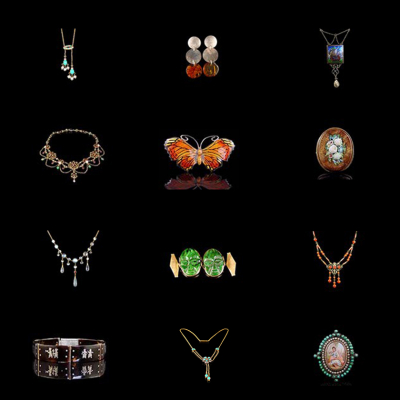

VICTORIAN JEWELLERY (1837-1901)
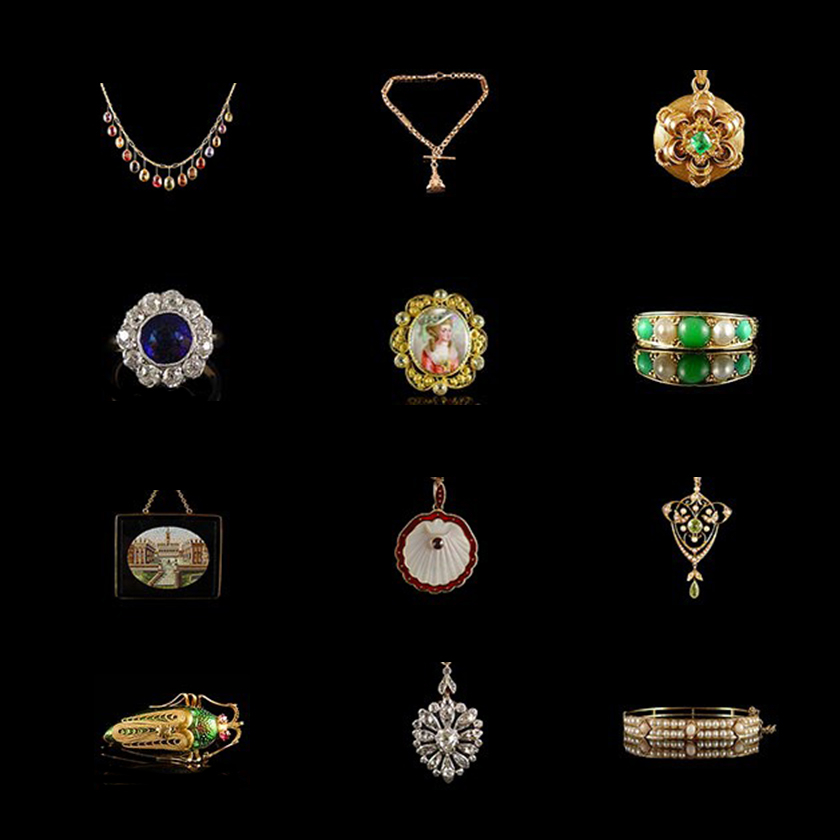
Early Victorian, romantic jewellery (1837-1855)
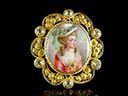
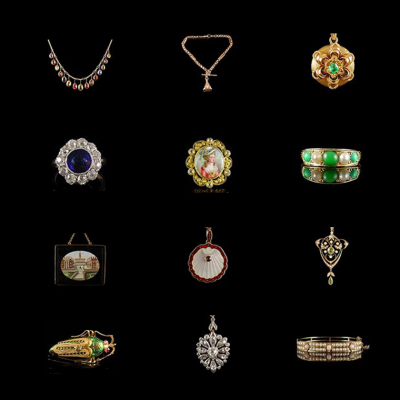
Romantic Jewellery - Like jewellery of the Georgian era, early Victorian era jewellery features nature-inspired designs. Frequently, these designs would be delicately and intricately etched into gold. Lockets and brooches were popular everyday jewellery during the early Victorian era whereas colored gemstones and diamonds were worn during the evening.
1837: The early Victorian era showed a great change in the development of Antique jewellery, culminating in the Romantic Movement. Nature was a big influence on the design of Antique jewelry at this time. Designs included serpents, flowers, leaves, bunches of grapes and buds etc. Antique Mourning jewellery was still common in the early 19th century.
1847: Louis Francois Cartier at the age of 28 after an apprenticeship with a master watchmaker took over his master’s Paris Jewelry business.
1851: The great exhibition held at the Crystal Palace in London, provided a good opportunity for the Antique jewellery industry to create interest and manufacture.
Mid-Victorian, grand jewellery (1856-1880)
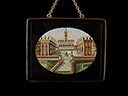
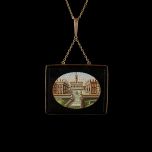
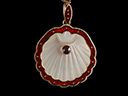
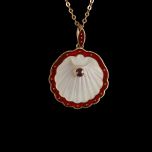
Because the Grand or Mid-Victorian era corresponded with the death of Queen Victoria’s husband, many jewellery pieces have solemn, grave designs. Known as mourning jewellery, the pieces feature heavy, dark stones. Jet, onyx, amethyst, and garnet are frequently found in jewelry from this period. The jewellery also became especially creative during this period. More colorful designs were born featuring shells, mosaics and colorful gemstones.
1860: The Antique jewellery trend changed and the Etruscan, Greek and Egyptian styles became favorable. March 1861 Queen Victoria’s mother died, November 1861 Queen Victoria’s husband the Prince Albert also died at the age of 42. The Queen went into deepest mourning for the rest of her life. Black was to be worn by all those in mourning. Once again the Antique jewelry trend changed to cut steel, berlin iron, and jet. In the later stages of mourning ivory and tortoise shell jewelry was worn. Cut Steel Antique jewellery was constructed from clusters of small faceted and polished individual studs riveted to a base plate. Berlin Ironwork was constructed from hard grey metal. Jet is a type of brown coal, a fossilized wood of ancient tree. The vast majority of Jet came from Whitey located on the coast of North Yorkshire.
1860’s/ 1870’s the art of gemstone polishing had become advanced in that colourful stones such as turquoise, garnet and coral could be cut to fit various settings in jewellery.
1864: Peter Carl Faberge a Russian Jeweller joined his father’s business. 1872 Faberge took over management of his father’s business. 1882 Carl and his younger brother Agaton had great success from the Pan-Russian Exhibition held in Moscow. It was here that the Tsar Alexandaer III took an interest in Faberge’s work and in 1885 he became the Tsar’s Court Goldsmith. Faberge went onto produce gem set Easter eggs for the Tsar’s mother and wife. Faberge made many objects from fine Antique jewellery to silver tableware. Fabergé’s company enjoyed huge success; it became the largest in Russia with 500 employees and branches in Moscow, Saint Petersburg, Odessa, Kiev and London
Late Victorian, aesthetic jewellery (1885-1901)
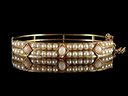
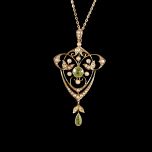
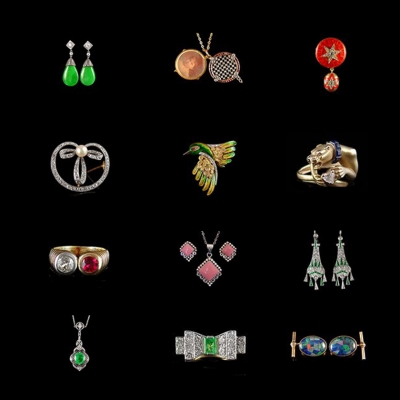
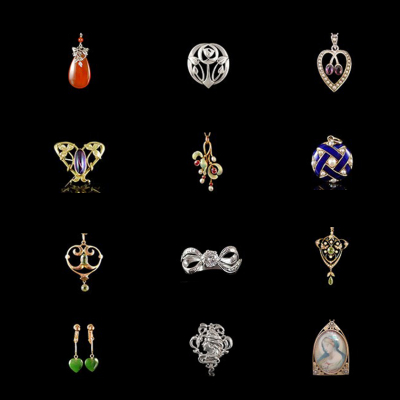
During the Late Victorian or Aesthetic period, jewellers used diamonds and feminine, bright gemstones such as sapphire, peridot, and spinel. Star and crescent designs as well as elaborate hat pins were also popular. Some scholars believe the aesthetic era began sooner, in 1875, and ended as early as 1890.
1885–1901: Due to the prosperity and economic growth vast quantities of Antique jewelry were manufactured to satisfy the insatiable market.